Follow the Sun: Inside the Non-Stop Global Machine That Builds Your Favorite Shows Around the Clock
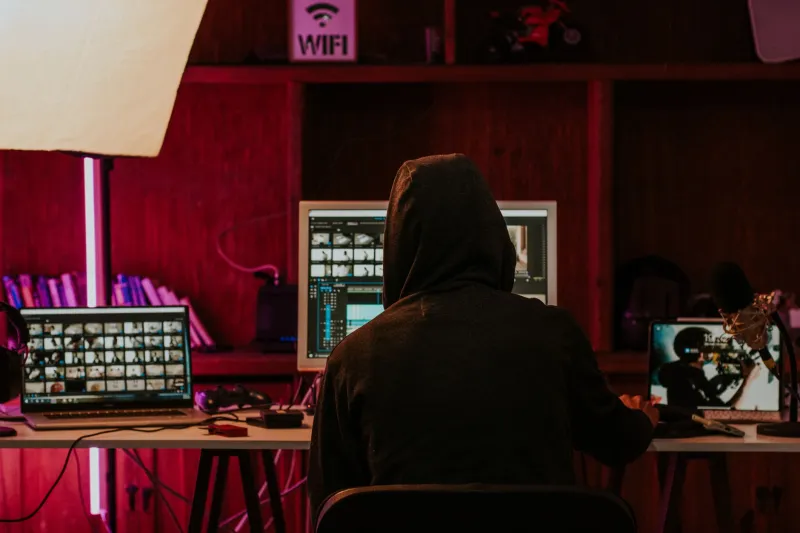
It's 11 PM in Los Angeles. A showrunner is on a video call, reviewing rough cuts sent over from a post-production house in London that wrapped its shift eight hours ago. Meanwhile, a visual effects team in Mumbai is just clocking in, picking up exactly where their counterparts in Vancouver left off. Nobody sleeps. Nothing stops. The content just keeps moving.
This is the new reality of entertainment production — and honestly, it's kind of wild once you see it laid out.
What "Follow the Sun" Actually Means for Hollywood
The phrase "follow the sun" originally came from the tech industry, where software companies realized they could run development 24 hours a day by handing off work between teams in different time zones. Hollywood — slow to adopt a lot of things — eventually caught on that the same logic applies to making movies and TV.
Major studios and streaming platforms now deliberately structure their production pipelines across multiple continents. A script gets polished in New York. Raw footage gets shipped digitally to an editing suite in Berlin. Color grading happens in Seoul. Sound mixing wraps in Sydney. By the time a Los Angeles executive sits down with their morning coffee, a full day's worth of work has already been completed while they were asleep.
"We basically never stop," one veteran producer — who's worked on major streaming projects for two of the biggest platforms in the game — told us. "There's always a version of the show that's being touched by someone, somewhere. It's not even a choice anymore. It's just how competitive production has gotten."
The Streaming Wars Forced Everyone's Hand
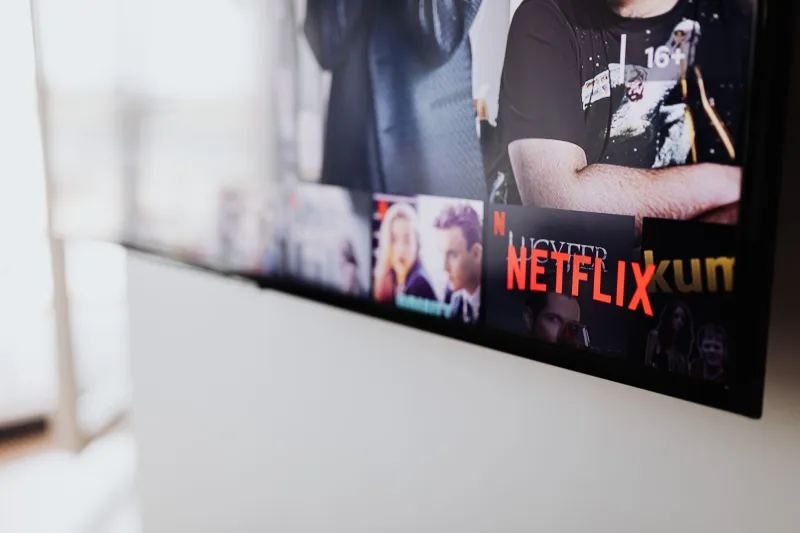
You can trace a lot of this back to the streaming explosion of the 2010s. When Netflix started dropping entire seasons at once, it didn't just change how audiences watched TV — it completely blew up how fast content needed to be produced. Then Disney+, HBO Max, Apple TV+, Peacock, and the rest piled in, and suddenly every platform needed a constant pipeline of original content just to survive.
That pressure trickled all the way down to the production floor. Studios couldn't afford to have a show sitting idle because it was 2 AM in the country where the visual effects team happened to be located. So they started building global pipelines on purpose.
The pandemic, weirdly enough, accelerated all of this. When productions got scattered across the globe out of necessity, the industry discovered that a lot of the old "everyone needs to be in the same room" assumptions were actually just habits. Remote collaboration tools got better fast. Time zone handoffs became a feature, not a bug.
What This Does to Creative Quality — and the People Making It
Here's where it gets complicated, though. Running a 24-hour production machine sounds incredibly efficient on paper, but the humans inside that machine are still, well, human.
Actors on major productions often deal with schedules that feel like a jet lag simulator. Shooting in one country, doing ADR (that's the voice dubbing process for non-industry folks) remotely from another, attending virtual table reads with writers who are literally eating breakfast while the cast is finishing dinner. It's a lot.
"The creative conversations are harder when you're exhausted and you're talking to someone who just woke up," one industry insider noted. "There's a reason great creative work has traditionally happened when people are in the same headspace. That's harder to manufacture across a 14-hour time difference."
There are also quality control concerns that don't get talked about enough. When a piece of work is handed off from one team to another mid-process, things can fall through the cracks. A subtle tone shift in editing. A color palette that reads differently under different monitors in different studios. Small inconsistencies that, when you add them all up, can affect the coherence of a final product.
The best productions have figured out ways to combat this — dedicated continuity supervisors who work across shifts, shared digital workspaces with detailed handoff notes, and regular sync calls that bring all the global teams together at least once a day. But it requires serious organizational discipline that not every production can afford.
The Geography of Modern Entertainment
If you zoom out and look at where all this global production activity actually lives, a few hubs stand out. London and the UK more broadly have become massive players, partly because of generous tax incentives and partly because of the deep talent pool there. Eastern Europe — particularly Hungary, the Czech Republic, and Romania — has become a go-to for large-scale physical production work. Canada (especially Vancouver and Toronto) has been a production hub for decades. Australia and New Zealand bring incredible locations and skilled crews. And cities across Southeast Asia are increasingly handling high-level post-production work.
For American audiences, most of this is invisible. You watch a show that says "Filmed in Atlanta" in the credits and assume that's the whole story. But the credits that scroll by at the end tell a different tale — dozens of company names, cities, and countries that all had a hand in making the thing you just spent three hours watching.
What It Means for You, the Viewer
Here's the interesting flip side of all this: the 24-hour production model is, in a lot of ways, working. More content is available than ever before. Production values on prestige streaming shows are genuinely cinematic. Turnaround times between seasons have gotten shorter on many major titles.
And from a pure "stuff to watch at any hour" standpoint? The machine is absolutely delivering. Whether you're catching up on a drama at midnight or watching a new documentary drop at 6 AM, the content that's sitting in your queue was built by people working in shifts across the globe, around the clock, to make sure it was ready.
There's something kind of poetic about that, actually. The show you watch to unwind at the end of your day was someone's full workday — or night shift — on the other side of the planet.
The Next Frontier
Producers we spoke with say the next evolution in this space involves AI-assisted handoffs — tools that can summarize the creative decisions made during one team's shift and brief the incoming team automatically, reducing the friction of global collaboration. Whether that helps or hurts the human creative element is a debate that's very much still happening inside studios.
What's not up for debate is that the entertainment economy has fully committed to the around-the-clock model. The sun never sets on your streaming queue — and now you know why.