Graveyard Laughs: How Stand-Up Comics Made 4 AM the Hottest Time Slot Nobody Planned
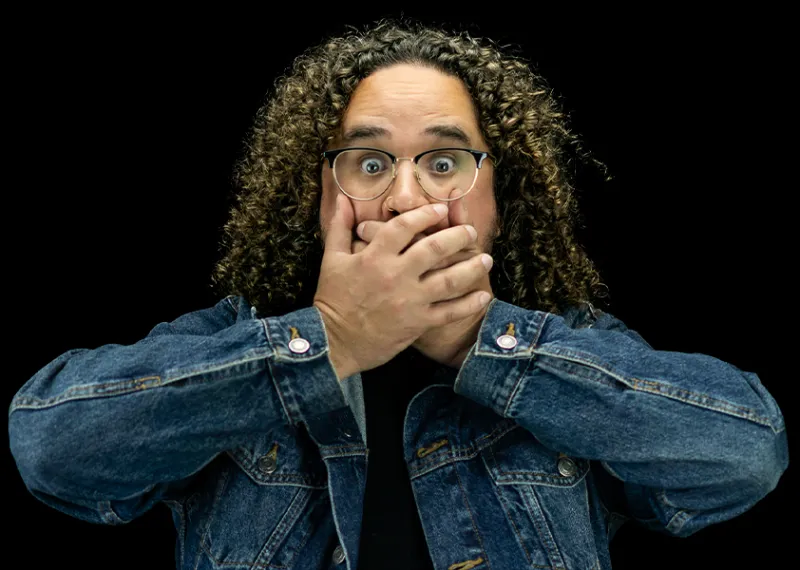
Photo: RickeyDean, CC0, via Wikimedia Commons
There's a moment every insomniac knows. It's somewhere past 3:30 AM, the ceiling has officially lost its appeal, and the phone screen flickers to life. You weren't looking for anything in particular — and then a stand-up clip auto-plays, and suddenly you're twenty minutes deep into a comedian you've never heard of, laughing so hard you're worried about the neighbors.
That moment? It's not an accident anymore. It's a strategy.
The Old Rules Are Gone
For decades, the comedy world operated on a pretty rigid schedule. You got your late-night hosts at 11:30 PM, your stand-up specials dropped on Netflix whenever the algorithm felt like it, and if you missed it, you caught the replay. The gatekeepers were network executives, and primetime was sacred.
Then platforms like YouTube and TikTok quietly blew the whole thing up.
Today, a comedian can post a 12-minute set at 4:07 AM and wake up to 800,000 views by noon. The upload timestamp is irrelevant. The audience — scattered across time zones, work schedules, and sleep disorders — is always awake somewhere. And comedy, it turns out, hits differently when the rest of the world is quiet.
"There's something about being up at that hour that makes people more open," says one Brooklyn-based comic who built a following of nearly 400,000 YouTube subscribers largely through late-night uploads. "People aren't performing for anyone at 4 AM. They're just watching. They're vulnerable in the best way, and comedy gets in easier."
The Insomniac Audience Is Real — and Loyal
Platform data has been quietly confirming what comedians already suspected: engagement metrics for comedy content spike hard between 2 AM and 5 AM in the US. Not just passive views, either — comments, shares, and subscription upticks all trend higher during graveyard hours than during traditional primetime slots.
Who's watching? It's a surprisingly diverse crowd. Night-shift nurses finishing a 12-hour stretch. College students running on ramen and deadline panic. Truck drivers parked at rest stops somewhere off I-80. New parents pacing hallways with babies who don't understand the concept of sleep. And then there's the international audience — fans in the UK, Australia, and Southeast Asia for whom 4 AM Eastern is just a normal Tuesday afternoon.
That global layer is huge. A comedian who goes viral at 4 AM in the US is simultaneously hitting peak hours for viewers in Europe and Asia. The time zone math, once a headache for traditional broadcasters, has become a genuine asset for digital-first creators.
Specials Without Networks
The bigger shift, though, isn't just about clips. Full stand-up specials are increasingly being self-released — dropped on YouTube, Vimeo, or even Patreon without a Netflix deal or a Comedy Central slot anywhere in sight. And some of these specials are doing numbers that would make a network executive genuinely nervous.
Comedians like Nate Bargatze and Gary Gulman built enormous cult followings through YouTube before streaming giants came knocking. Others have skipped the streaming deal entirely, releasing hour-long specials directly to fans and pocketing a far larger cut of the revenue. The tradeoff — less prestige, more control — is one more comics are willing to make.
TikTok has added another wrinkle. A 60-second clip of a punchline, posted at 4 AM, can function as a trailer, a business card, and a full entertainment experience all at once. Comedians have learned to engineer these moments: the setup lands in the first five seconds, the punchline hits before the scroll reflex kicks in, and the comment section becomes its own comedy show.
Why Comedy Works When Everything Else Doesn't
There's a psychological argument for why comedy specifically thrives in the late-night hours that other genres don't quite replicate. Thrillers and dramas require sustained attention and emotional investment — hard to maintain when you're running on three hours of sleep. Comedy is modular. A bit works in two minutes or twenty. It doesn't demand continuity.
It also offers something that exhausted, isolated viewers genuinely need: the feeling of being in on something. A good joke at 4 AM feels like a secret between you and the comic. There's no social performance involved, no one to impress. It's just funny, or it isn't.
Comedians who've cracked this audience talk about it almost like a different kind of fan relationship. "The people who find me at 4 AM are the ones who tell their friends," one touring comic explained. "They feel like they discovered something. That's the most loyal audience you can have."
The Platform Algorithms Are Catching On
YouTube and TikTok's recommendation engines have started learning these patterns too. Content that performs well during late-night hours gets surfaced to more late-night viewers, creating a feedback loop that benefits creators who understand the timing. Some comedians have started deliberately scheduling uploads for 11 PM or midnight, letting the algorithm catch the first wave of night owls and carry the video through to dawn.
It's not that different from how radio programmers used to think about overnight slots — except now the "programmer" is a machine, and the comedian is their own producer, distributor, and marketing department.
The New Primetime Looks Nothing Like the Old One
Here's the irony: the comedy world spent decades fighting for better time slots, better network support, more prominent placement. And then the internet came along and made the time slot completely irrelevant — while simultaneously making every hour a potential primetime for the right audience.
4 AM isn't a consolation prize anymore. For a growing number of comedians, it's the main event. The audience is awake, the algorithm is listening, and the laughs are just as loud even when the rest of the world is asleep.
At Rrota24, we're here for every hour of it.