Feast or Famine: The Streaming Calendar Trick That Keeps You Hooked Even When There's Nothing to Watch
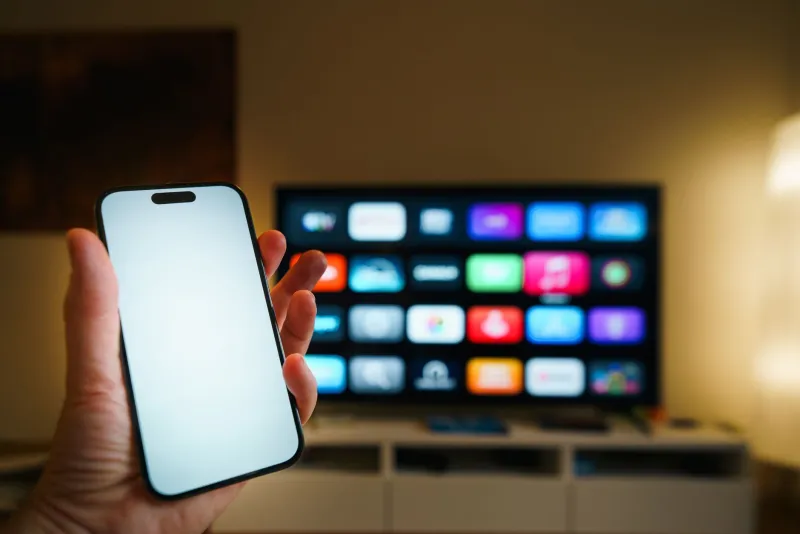
You've been there. It's a Tuesday night, you've got a couple hours to kill, and you open up your streaming app of choice expecting something — a new episode, a fresh drop, literally anything. Instead, you're staring at the same catalog you've already picked through twice. The new release row is a ghost town. You scroll. You scroll again. You close the app, maybe open a different one, and end up rewatching an episode of The Office for the fourteenth time.
Then, two weeks later, your phone buzzes with notifications. Three new series dropped. That limited docuseries everyone's been talking about finally landed. Oh, and season two of the show you forgot you were watching? Yeah, that's here too.
Welcome to the content drought and the content flood — streaming's most deliberately engineered one-two punch.
The Desert Is Designed, Not Accidental
Let's get one thing straight: when your platform goes quiet, it's not because they ran out of stuff to release. These companies are sitting on massive content libraries and production pipelines that never fully stop. The silence is a choice.
Streaming platforms operate on what industry insiders sometimes call a "pressure and release" model. They deliberately hold content back during certain windows — often mid-season stretches, post-holiday lulls, or the stretch between major cultural moments — to build anticipation and, crucially, to manufacture urgency when the flood finally comes.
Think about it from a pure business standpoint. If Netflix or Max dropped something worth watching every single day, you'd never feel the itch to subscribe right now. The scarcity, even artificial scarcity, is what makes the upcoming slate feel like an event. It gives marketing teams something to actually market. It gives social media a moment to rally around.
The Subscriber Retention Math Nobody Talks About
Here's where it gets a little cold-blooded. Every major streaming platform lives and dies by monthly subscriber numbers. And the ugly truth is that people cancel when there's nothing on — but they also cancel right after they've binged the thing they subscribed for.
So platforms have to thread a needle. Release too much, and subscribers binge and bounce. Release too little, and subscribers cancel out of boredom. The feast-or-famine cycle is essentially their solution to this problem, even if it's an imperfect one.
The strategy works something like this: create a drought long enough that casual subscribers start questioning their bill, then drop a cluster of high-profile releases that justify staying. The returning subscriber who almost canceled in February because there was nothing on? They're now the most engaged viewer in March, tearing through three shows in two weeks and telling everyone about it.
From a pure retention standpoint, that engagement spike is worth more than a slow, steady drip of mediocre content. Platforms know this. They've got the data to prove it.
The Viewer on the Other End of This Equation
What does this actually feel like for regular people just trying to relax after work? Honestly, a little exhausting.
The drought period creates a low-grade frustration that most of us don't even consciously name. You open an app, find nothing, and close it — but that micro-disappointment stacks up. Over days and weeks, it can actually shift your relationship with a platform. You stop expecting it to deliver. You start treating it as background noise rather than something worth engaging with.
Then the flood hits, and suddenly you're supposed to care about six new things simultaneously. The conversation around any single show gets diluted because everyone's attention is being split. You feel pressure to watch everything before it gets spoiled, which turns what should be leisure into something weirdly stressful.
Some researchers who study media consumption patterns have flagged this feast-or-famine rhythm as a genuine contributor to what they're calling "streaming fatigue" — that burnt-out, overwhelmed feeling where you have access to more content than ever but somehow feel less satisfied with what you're watching.
Time Zones and the Uneven Playing Field
Here's a wrinkle that doesn't get enough attention: content droughts and floods don't hit everyone the same way, and time zones play a bigger role than you'd think.
When a platform drops a big batch of releases on a Friday — which is the industry's favorite launch day — viewers on the East Coast get first crack while West Coast audiences are still at work. International audiences are dealing with it in the middle of their night. By the time everyone's caught up, the discourse has already moved on, and the "event" feeling of the drop has evaporated for anyone who wasn't online at exactly the right moment.
The drought, meanwhile, hits night-shift workers and late-night scrollers harder than most. When you're winding down at 2 AM and the new content well is dry, there's nowhere to turn. The platform's "recommended for you" row starts feeling like a broken record, and that's when subscribers start wandering — to YouTube, to TikTok, to free ad-supported services that might not have prestige content but at least have something new.
What a Better Model Could Look Like
Some platforms have experimented with alternatives. The weekly episode drop model — which Netflix famously resisted for years before quietly bringing it back for select titles — creates a different kind of engagement. Instead of a binge-and-bounce cycle, it builds sustained conversation over weeks. Think about how differently people talked about Andor (weekly drops) versus a typical Netflix series that everyone burned through in a weekend and forgot about by Tuesday.
A more distributed release calendar, where something notable drops every couple of weeks rather than everything at once, could theoretically solve the drought-flood problem. But it requires discipline, coordination across massive production pipelines, and a willingness to sacrifice the marketing splash of a big simultaneous drop. Most platforms aren't there yet.
There's also the question of transparency. Subscribers largely have no idea what's coming or when. A clearer, more visible content calendar — the kind that gaming companies often publish for major updates — could help viewers plan their time and reduce the frustration of endless scrolling through a stale library.
The Clock Keeps Running Either Way
At the end of the day, the feast-or-famine model is a reflection of how streaming platforms think about your time. They're not designing around your Tuesday night boredom. They're designing around quarterly subscriber reports and marketing windows and social media momentum cycles.
That's not necessarily villainous — it's just business. But it's worth knowing. The next time you're staring at a dead new-releases row and wondering where all the good stuff went, remember: the drought was scheduled. The flood is coming. And how you feel about both of those things was already factored into somebody's retention spreadsheet.
The clock never stops at Rrota24, even when your streaming queue does.