Same Episode, Different Cut: The Quiet Editing Game Streaming Platforms Play With Your Watch Time
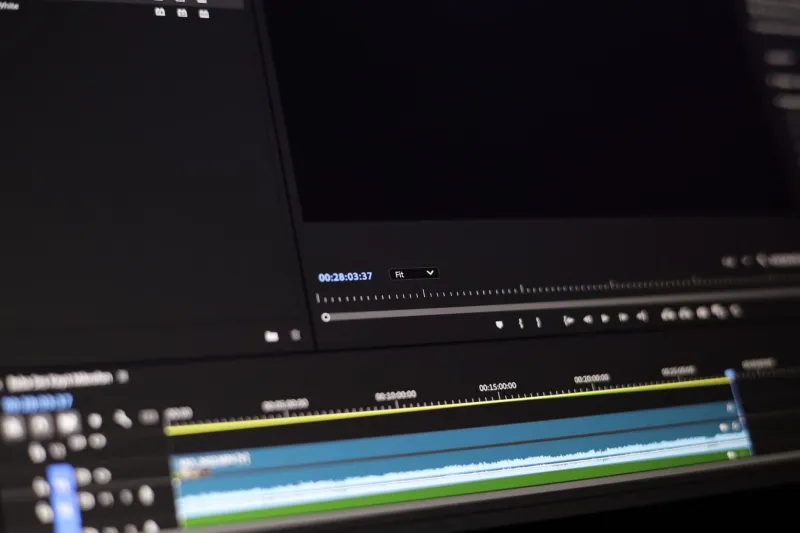
Here's a question nobody really thinks to ask: when you and your friend both say you watched the same episode last night, were you actually watching the same thing?
It sounds like a weird hypothetical. But the deeper you dig into how streaming platforms actually operate around the clock, the more that question starts to feel genuinely unsettling — and kind of fascinating.
The Platform Is Always Watching the Clock
Streaming services don't sleep. That's kind of their whole thing. And because they're running 24 hours a day, seven days a week, they've gotten extremely good at tailoring the experience to whoever happens to be watching at any given moment.
We already know algorithms serve up different recommendations depending on the hour. That part's been pretty well documented. What's less talked about is how some platforms go a step further — actually adjusting how content is presented, framed, or even edited depending on the time of day and the audience profile associated with it.
This isn't conspiracy territory. It's just business logic taken to its logical extreme.
Content Warnings That Move Like Shadows
Start with something relatively small: content warnings and rating bumpers. On several major platforms, these don't always appear the same way at 9 PM as they do at 1 AM. The reasoning is straightforward — earlier evening slots are more likely to include family viewers, younger audiences, or people who just casually flipped something on. Late-night viewers skew older and tend to have opted into more mature content categories.
Some platforms dynamically shift which warnings appear most prominently, which get buried in settings menus, and which trigger automatic pre-roll screens. It's a small thing, but it's a real thing — and it shapes how you mentally enter a piece of content before a single scene has played.
That framing matters more than people realize. Walking into an episode primed with a specific content warning versus walking in cold produces measurably different emotional responses. Platforms know this. They've run the studies.
The International Edit Problem — Now Happening Domestically
For years, the entertainment industry has openly acknowledged that international markets sometimes receive different cuts of shows and films. Violence gets trimmed for certain regions. Dialogue gets softened. Storylines get reordered. It's standard localization practice.
What's newer — and what's starting to get more attention inside the industry — is a domestic version of that same logic playing out across time slots.
Some streaming originals, particularly in the reality TV and docuseries space, have been found to feature slightly different cold opens or episode teasers depending on the platform interface being used. Mobile app versions, smart TV apps, and browser-based viewing sometimes pull from different content delivery nodes, and those nodes don't always serve identical files. Whether that's intentional editorial strategy or just the messy reality of content distribution at scale is genuinely hard to pin down from the outside.
But the effect is real either way.
Ad-Supported Tiers Are Changing the Actual Show
Here's where it gets more concrete and more verifiable. The rise of ad-supported streaming tiers — think Peacock, Hulu's standard plan, Netflix's ad tier, Max's lower-cost option — has introduced a structural reason for content to feel different depending on when and how you watch.
Ad breaks aren't just inserted between scenes. On some platforms, they're algorithmically placed based on viewer engagement data, and that placement shifts based on time-of-day patterns. An episode that gets ad breaks inserted at the 12-minute and 28-minute marks during peak evening hours might get those breaks repositioned during off-peak late-night windows when viewer drop-off patterns are different.
The result? The pacing of the show you experience is literally different. A cliffhanger that lands hard when you're watching at 8 PM — right before a commercial break — might hit completely differently at midnight when the break comes two minutes earlier or later. Editors who work on streaming content have started factoring this in during post-production, building in multiple potential break points rather than one definitive cut.
Recaps, Previews, and the Invisible Edit
Then there are the elements that surround the main content — the previously-on recaps, the end-of-episode previews, the autoplay countdowns. These rotate constantly based on what the algorithm thinks you need.
A viewer who's been binging a show straight through for three hours gets a different recap treatment than someone returning to a series after a two-week break. The platform knows the difference and adjusts accordingly. In some cases, recap sequences pull from different highlight reels, emphasizing different plot threads based on what the system has flagged as most relevant to your specific viewing history.
This is editorial decision-making — it's just being made by a machine at 3 AM instead of a human in a cutting room.
Does It Actually Change What You Think of the Show?
This is the part that should probably bother people more than it does.
If two viewers walk away from the same episode with different impressions — one feeling like the pacing dragged, another feeling like it flew by — the natural assumption is that it's just a matter of personal taste. But if those two viewers were served structurally different versions of the same hour of television, taste isn't the only variable in play.
Researchers studying media consumption have noted that even small edits — a scene that runs three seconds longer, a recap that emphasizes a different character — can meaningfully shift how audiences assess quality, character likability, and narrative coherence. The streaming platforms have access to all that engagement data. They can see which version of an episode produces better completion rates, higher rewatch numbers, and more social sharing.
And they're not exactly rushing to publish their findings.
The Viewer's Side of the Equation
So what does this mean for you, the person just trying to unwind with a show after a long day?
Honestly, most of the time it probably doesn't matter all that much. The differences are often subtle enough that you'd never notice unless you watched the same episode twice on different devices at different times — which, fair enough, most people aren't doing.
But it does mean that the experience of watching TV is less fixed than we tend to assume. The show you're watching isn't quite the same object it was for the person who watched it six hours earlier, or six hours later. It's a living document, in a weird way — constantly being reshaped by the platform machinery that sits between the creators and your screen.
And here at Rrota24, where we're clocked in to entertainment around the clock, that's exactly the kind of thing worth paying attention to. Because the content never stops changing — even when the title card stays exactly the same.