Why the 2 AM Stream Is Quietly Becoming a Creator's Most Valuable Asset
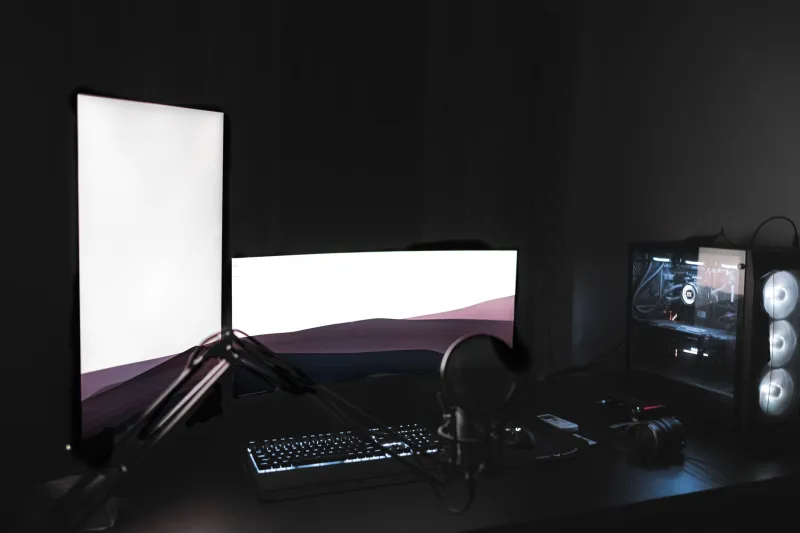
There's a moment somewhere around 2 AM when the internet gets honest. The algorithms are still running, the notifications are still pinging, and somewhere a creator is live on YouTube or Twitch, talking to a few thousand people who absolutely should be asleep right now. No script. No brand deal read. No thumbnail optimized within an inch of its life. Just a person, a camera, and an audience that showed up in the dead of night because they wanted to.
And according to the data platforms are quietly sitting on, that low-fi midnight moment might be worth more than anything those same creators post at noon.
The Numbers Don't Lie — They Just Work Different Hours
For years, the conventional wisdom in the creator economy was simple: post during peak hours, chase the daytime algorithm, and let the ad revenue roll in. Morning uploads, lunch-break content, the coveted 6 PM slot when commuters are scrolling on the train home. That was the playbook.
But something strange started happening when platforms began breaking down engagement by time window. Creators who streamed or dropped content during off-peak hours — think midnight to 4 AM Eastern — were seeing comment rates, share ratios, and repeat-view percentages that blew their primetime numbers out of the water. Not in raw volume, obviously. But in quality of engagement. The people watching at 2 AM weren't half-paying attention while eating dinner. They were all in.
This distinction matters enormously to advertisers and, increasingly, to the platforms themselves. A comment left at 2 AM isn't a drive-by reaction. It's a deliberate act. Someone stayed awake, stayed in the stream, and felt strongly enough to type something out. That's a different kind of viewer — and a different kind of value.
Cult Audiences Are Built in the Dark
Ask any longtime YouTube fan about their favorite creator and there's a decent chance the story starts with a late-night rabbit hole. You weren't looking for them. You found them at 1:30 AM when the algorithm served up something unexpected, and three hours later you'd watched everything they'd ever posted.
That's not an accident. Off-peak content has a way of creating the conditions for deep discovery. The daytime internet is crowded and competitive. Everything is fighting for your attention at once. But late at night, the noise drops, the competition thins out, and a creator who's live or recently uploaded finds themselves with a cleaner shot at capturing someone's full focus.
Independent creators have figured this out faster than the platforms have. Streamers who run regular late-night sessions — whether it's gaming, commentary, cooking, whatever — consistently report that their off-hours audiences develop a loyalty that their casual daytime viewers just don't match. These are the people buying merch. These are the people sharing clips. These are the people who show up to every single stream regardless of the time slot.
That's a cult audience. And cult audiences, in the modern creator economy, are the ones who actually move the needle.
Platforms Are Paying Attention — and Getting Nervous
Here's where it gets interesting for the industry side of things. YouTube, Netflix, and TikTok have all built their creator monetization structures around models that heavily weight total view counts and ad impressions. More views, more money. Simple enough.
But that model starts to crack when you realize that a creator pulling 200,000 views on a late-night stream with 40% comment engagement and a 70% average watch-through rate is generating more genuine platform value than a creator with 2 million views on a daytime video where most people bounce after 30 seconds.
The platforms know this. The internal metrics teams know this. And creators — especially the ones who've built their audiences outside of the traditional upload-and-pray cycle — are starting to know it too. Which means they're walking into negotiations with a new kind of leverage.
Several mid-tier creators have reportedly used their off-peak engagement data to push back on standard revenue share agreements, arguing that their audience quality justifies better terms. It's a conversation that would have been laughed out of the room two years ago. Now? Platforms are at least listening.
TikTok's Weird Late-Night Algorithm Is Its Own Experiment
TikTok deserves its own paragraph here because the platform has essentially been running an accidental late-night engagement study since it launched in the US. The For You Page doesn't care what time it is. It serves content based on behavior signals, and late-night TikTok behavior is different — slower scrolling, longer watch times, more replays, more saves.
Creators who've cracked TikTok's late-night window talk about it like a different platform entirely. The same video that gets skipped during the afternoon grind will stop thumbs dead at midnight. The platform hasn't fully figured out how to monetize this distinction yet, but the shift toward TikTok's creator fund revamp and its push into live commerce suggests they're working on it.
What This Means for How We Think About Creator Value
The broader takeaway here is that the entertainment industry — even the scrappy, independent, creator-driven corner of it — is being forced to reckon with the fact that when someone watches is just as meaningful as whether they watch.
Rrota24 has been tracking this pattern across the entertainment landscape for a while now, and the through-line is consistent: off-peak hours produce different audiences, and different audiences produce different kinds of loyalty. A viewer who finds you at 2 AM and sticks around isn't just a number in a dashboard. They're a community member.
For independent creators, the play is increasingly clear: don't abandon your daytime uploads, but don't sleep on what happens when you go live after midnight either. That's where the cult forms. That's where the real numbers are hiding.
For the platforms, the reckoning is slower but just as inevitable. Payment models built for a world where daytime views were the only views that counted are going to need an overhaul — because the creators who figured out the 2 AM advantage are already negotiating like they know it.
And honestly? They're not wrong.